Research & Projects
Dr. Grabowski’s research focuses on the impact of technology and advanced analytics on individuals, groups and organizations in complex, safety-critical systems; risk analysis and risk mitigation in large scale systems; and the role of human and organizational error in high consequence settings.
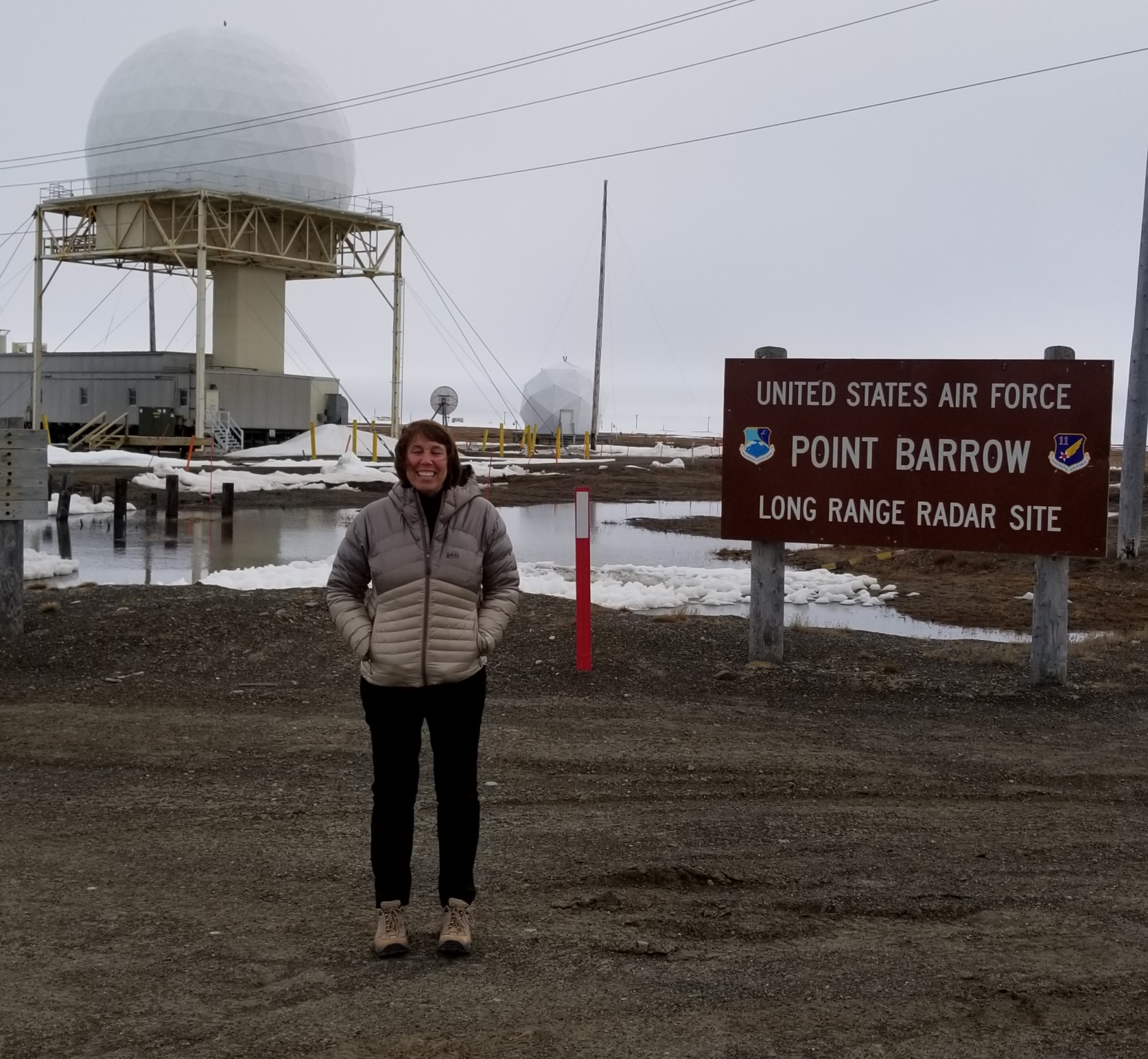
Dr. Grabowski’s (2015-2023) current research focuses on (1) using advanced analytics and visualizations, including machine learning, intelligent systems and wearable augmented reality displays (WARDs) to study technology impacts on operator performance, situation awareness, communication and mobility in safety-critical systems; (2) exploring resource allocation and critical infrastructure challenges in remote and infrastructure-poor settings; (3) examining the impact of unmanned and autonomous systems in safety-critical settings; and (4) discovering and validating predictive safety indicators in distributed, large-scale systems.
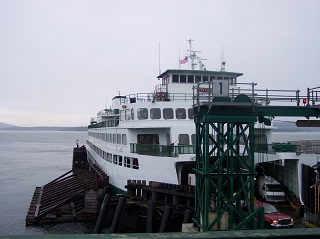
Her research is sponsored and has been sponsored by the National Science Foundation; the U.S. Coast Guard; the New York City Department of Transportation/Staten Island Ferry; the U.S. Army Corps of Engineers; the U.S. Department of Transportation/Maritime Administration; the National Oceanic and Atmospheric Administration; the American Bureau of Shipping; various oil, gas and shipping organizations, including ARCO, BP, Chevron, Exxon-Mobil/SeaRiver Maritime, A.P. Moeller Maersk and Overseas Shipholding Group, the State of Washington/Department of Ecology and the Washington State Ferries; the states of Louisiana and California; the St. Lawrence Seaway Development Corporation; Lockheed Martin; the Defense Advanced Research Projects Agency (DARPA); the Society for Worldwide Interbank Financial Telecommunications (SWIFT); and the Maritime Institute of Training and Graduate Studies-Pacific Maritime Institute (MITAGS-PMI).
In 2011, Dr. Grabowski completed an 8-year industry-academia-government research project evaluating safety culture in marine operations and developing leading indicators of maritime safety performance for the American Bureau of Shipping, the U.S. Coast Guard, Exxon Shipping Company (SeaRiver), Overseas Shipholding Group and Maersk, Inc. The results of that research identified a series of key performance indicators and safety culture improvements adopted by the industry participants and heralded at the October 2011 Coast Guard senior leadership 'Missions' conference. The project also developed a series of marine industry safety culture survey instruments, and benchmarked results with aviation, medicine, nuclear power and chemical process plant data sets.
Dr. Grabowski and her research groups have conducted a series of major maritime risk assessments over the past twenty years, along with colleagues at the George Washington and Virginia Commonwealth Universities. These risk assessments – in Prince William Sound, Alaska, the lower Mississippi River, and two studies in Puget Sound – developed the risk framework and the suite of risk assessment tools now utilized by the U.S. Coast Guard in its Port and Waterways Safety Assessment process (PAWSA). In addition, the consultative analytic-deliberative risk processes adopted and followed by their research groups serve as models for risk assessment activities around the world, echoing the best practices advocated by the National Research Council.
In earlier work, Dr. Grabowski developed a suite of embedded intelligent piloting systems for New York harbor; Prince William Sound, Alaska; and on the St. Lawrence Seaway; in a decade of collaborative research projects for the U.S. Coast Guard and the U.S. Department of Transportation's Maritime Administration, several coastal states, the Southwest Alaska Pilot's Association, and a variety of shipping companies, environmental groups and native corporations, following the grounding of the Exxon Valdez in 1989. The constant thread running through all of Dr. Grabowski's research projects involves a consultative analytic-deliberative partnership linking industry, academia and government, in pursuit of shared decision processes and stakeholder resolution of large, complex problems.