PSY 355 Psychology & Media in the
Digital Age
This page was last modified on February 25, 2026
|
|
PSY 355 Psychology & Media in the
Digital Age
This page was last modified on February 25, 2026 |
The Wonderful World of The Walt Disney Company
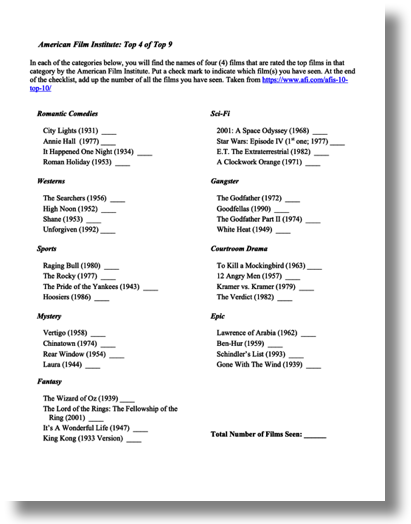
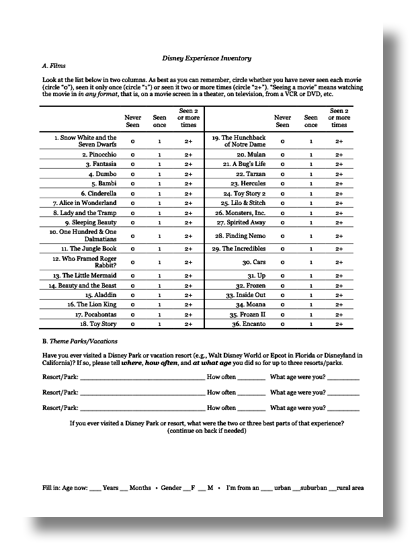 Complete the American Film
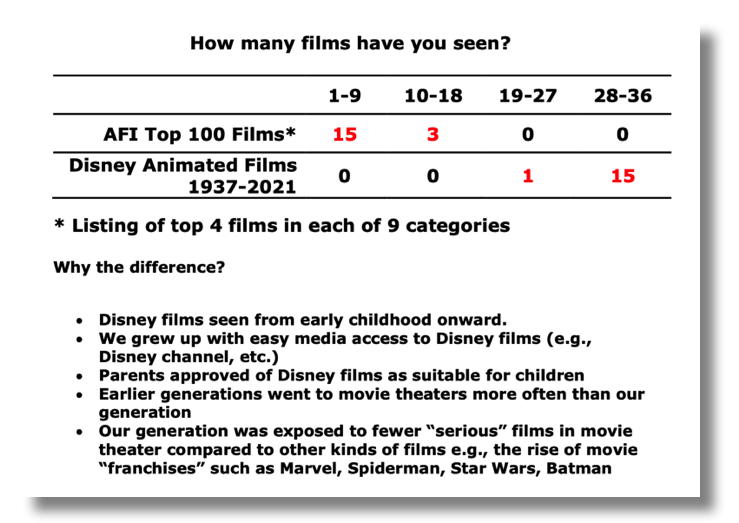
Institute Top 10 of Top 10
Complete the American Film
Institute Top 10 of Top 10• Count up the number of films you have seen at least once\
• Count up the number of films you have seen 2 or more times
• Have you ever visited a Disney theme park or vacation resort?
• What did you like about those experiences?
Intellectual property = "the legally recognized exclusive rights to creations of the mind. Under intellectual property law, owners are granted certain exclusive rights to a variety of intangible assets, such as musical, literary, and artistic works; discoveries and inventions; and words, phrases, symbols, and designs." {W}
- vs. Real property: non-movable assets, i.e., buildings & grounds
- vs. Personal property: tangible/movable assets (e.g., jewelry, clothing) and intangible assets (e.g., bank accounts, stocks)
Legal rights associated with intellectual property are grounded in US Constitution, Art. 1, Sec. 8, Clause 8.
- Trademarks and service marks: A trademark (for goods, "TM") or a service mark (for services, "SM") is any word, phrase, symbol, design, or combination of these things that identifies a company’s goods or services. Such marks are valid for as long as the trademark is used or the US Patent & Trademark Office rules that the term has become generic, that is, it has become part of everyday language. For example, in the US, all of the following terms used to trademarked by corporations but are now used generically: cellophane, aspirin, escalator, laundromat, linoleum, thermos, trampoline.
- Patents. A patent for an invention is the grant of a property right to the inventor, issued by the United States Patent and Trademark Office. This property right allows its owner to exclude others from making, using, offering for sale, selling or importing the invention. Generally, the term of a new patent is 20 years from the date on which the application for the patent was filed in the United States. There are three types of patents
- 1) Utility patents may be granted to anyone who invents or discovers any new and useful process, machine, article of manufacture, or composition of matter, or any new and useful improvement thereof;
- 2) Design patents may be granted to anyone who invents a new, original, and ornamental design for an article of manufacture; and
- 3) Plant patents may be granted to anyone who invents or discovers and asexually reproduces any distinct and new variety of plant.:
- Copyright: Copyright is a type of intellectual property that protects original works of authorship as soon as an author fixes the work in a tangible form of expression. In copyright law, there are a lot of different types of works, including paintings, photographs, illustrations, musical compositions, sound recordings, computer programs, books, poems, blog posts, movies, architectural works, plays, and so much more!" (U.S. Copyright Office). When this intellectual property is no longer under copyright, it falls into the "public domain" and can be used by anyone.
"The public domain (PD) consists of all the creative work to which no exclusive intellectual property rights apply. Those rights may have expired, been forfeited, expressly waived, or may be inapplicable. Because no one holds the exclusive rights, anyone can legally use or reference those works without permission" [Wikipedia, 20230411]
CGP Grey: Copyright - Forever Less One Day (YouTube; 5'42")
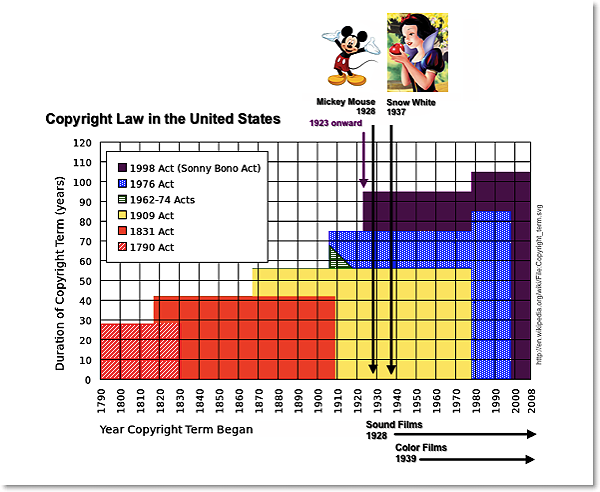 Legal Length of Copyright
Historical
- Hollywood: Rise of the great studios (Warner Bros., MGM, etc.) including film production, distribution, and theater ownership (vertical integration)
- The Hearst Corporation in the 1920s & 1930s: magazines & newspapers + Metro-Goldwyn-Mayer (MGM) film company
- 1st commercial radio station: Pittsburgh, PA: KDKA began broadcasting in November, 1920
- NBC (National Broadcasting Company, originally RCA [Radio Corporation of America founded 1926]
- CBS [Columbia Broadcasting System founded in 1927]
- Mutual Broadcasting System founded in 1934 (did not become a television network)
- American Broadcasting Company [ABC founded in 1943]
In the 1950s before the advent of cable television (appearing mostly in the 1970s and 1980s), most larger urban areas had three major television stations that were either owned by or network affiliates of NBC, CBS, and ABC.
Today, those three powerful television networks have been bought out and transformed into major divisions of three of the five largest media companies in the world: Comcast (NBC), Walt Disney Company (ABC), and Paramount Global (see below)
1. Appearance of the corporate than than individual author
2. Legally protected intellectual property owned by corporate authors becomes the foundation of an almost endless series of republication opportunities as new technologies provide new outlets
3. The value of media corporations resides in protecting the ownership of their creations. If they cannot be protected against use by others, the corporation value decreases.
Modern
Corporate Media Conglomerates
Control of the content of more than half of modern mass
media resides in five companies


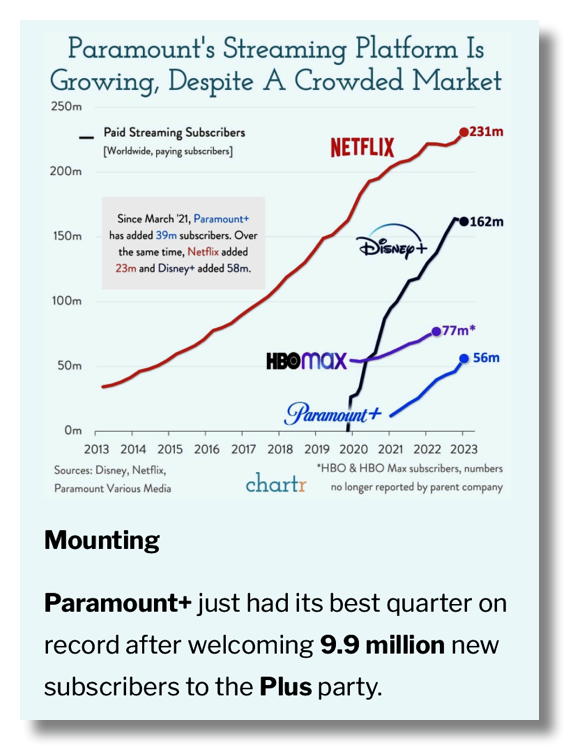
What does Disney own in 2026? (partial listing)
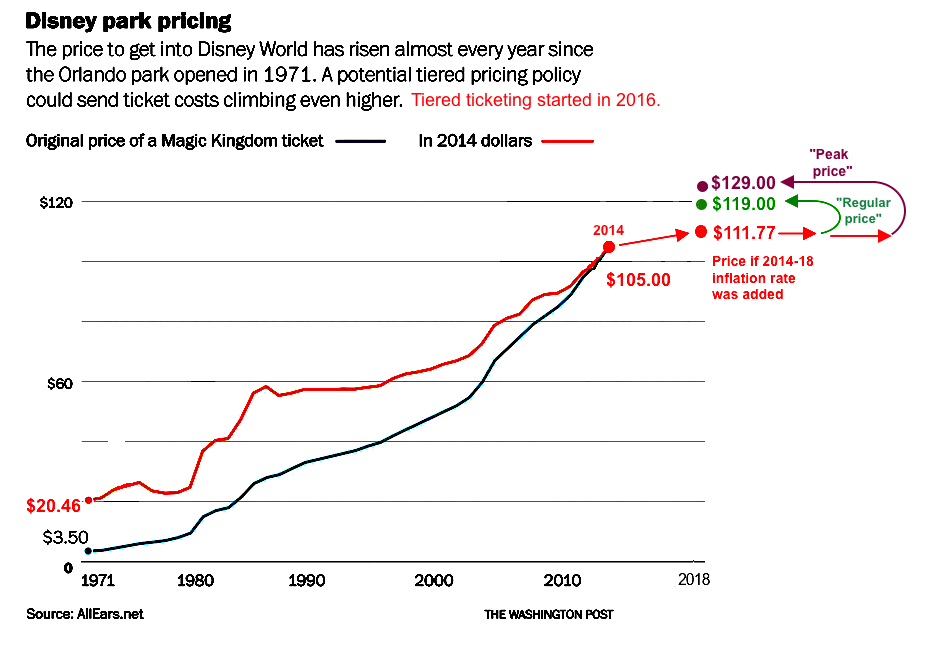
In 2016 Disney began seasonal or "tiered" pricing:
Year Regular • "Peak"
2016: $107 • $119
2017: $115 • $124
2018: $119 • $129
"Regular" tickets in 2018 were $119, but "Peak" season tickets were $129
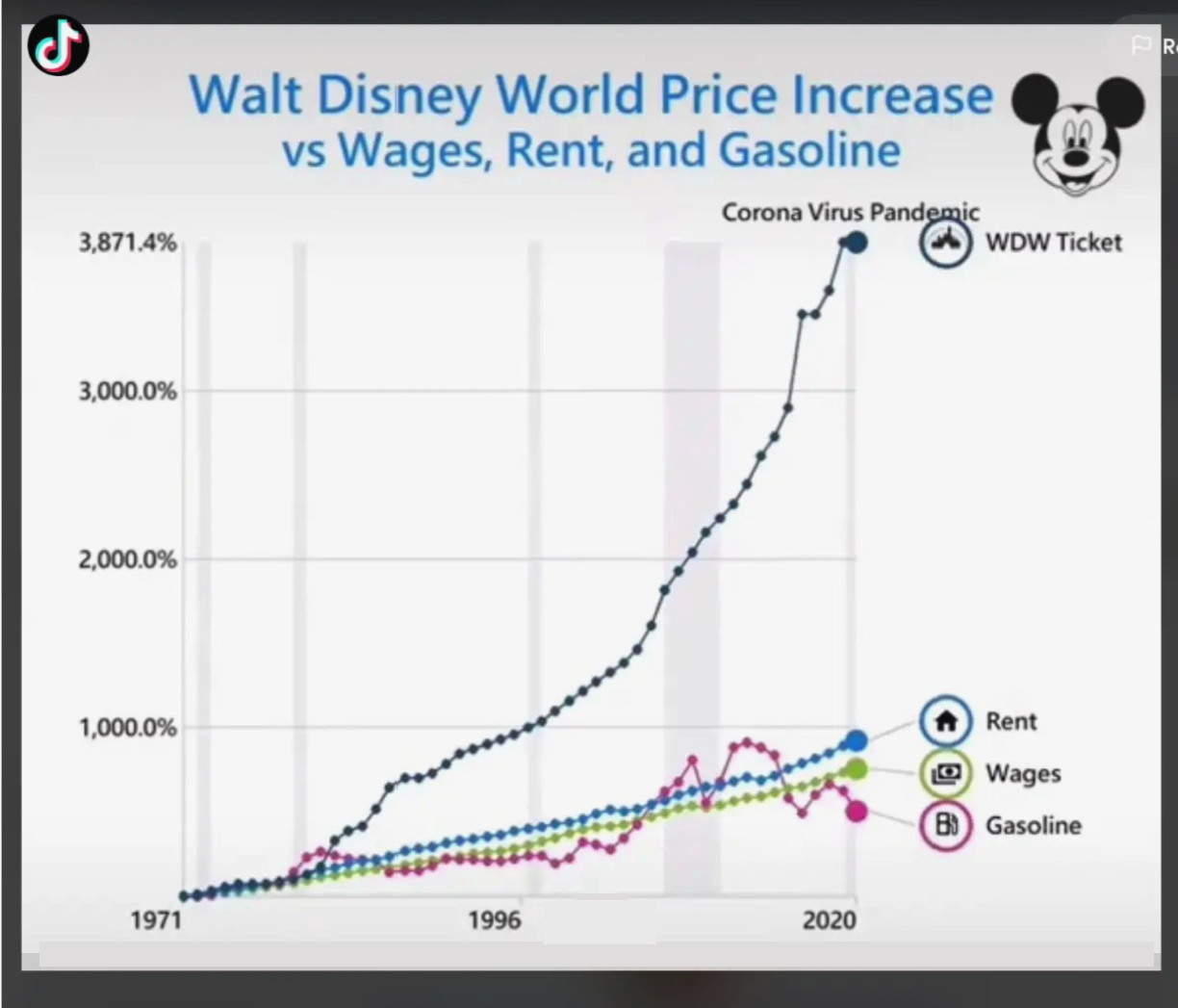
- A $3.50 ticket in 1971 is equal to a ticket price of $21.37 in 2018
- The rate of inflation between 1971 and 2018 was 611% (average: 13% annually)
- But, instead of costing $21.37, a regular ticket in 2018 costs $119.
- Hence, the REAL cost of a $119 ticket to Disney World in 2018 (that is, the price over and above the inflation rate) went up 557% in these 47 years or an additional 11.9% annually.
During the pandemic (2021) with a scarcity of customers, Disney World Orlando lowered its base price per person age 10 or older.
What about 2025?
Pricing in 2025 for Disney World includes the following range
How many days?
Price Range
Total ticket cost per person + Sales Tax
1-Day
$109-159
$109-159 + $7.09-10.34
2-Day
$107-155
$214-310 + $13.91-20.15
3-Day
$105-$149
$315-447 + $20.48-29.06
4-Day
$102-149
$408-596 + $26.52-38.74
5-Day
$97-129
$485-645 + $31.53-41.93
Note that there are different prices for children and adults as well as additional charges for express entry to rides, etc. Finally, Florida charges a tax of 6.5% on ticket sales as shown above.
The cost of a 5-day BASELINE trip to Disney World Orlando for a family of 4 (2 Adults, one child over 10, and one child 3-9 years old) between June 9 and June 13, 2025 would involve
- 5 Nights in the Pop Century Hotel - $1268
- 5 Day Base Tickets - $2183
- 2 Days Genie+ at Magic Kingdom & Hollywood Studios - $172
- MCO-Disney Transportation - $130
- Airflights - $1040
- Dining - $15267
for a total base price of $6,320
How does the increase in cost of Disney compare to other expenses?
Disney Animation
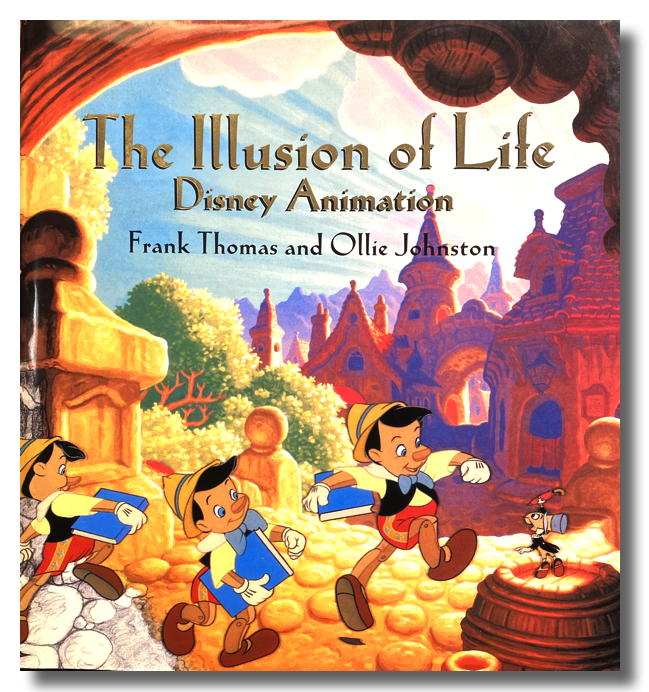
In small groups of 3 or 4 persons, accomplish the following:
- Each person should come up with the favorite or two favorite Disney characters
- For each character, discuss
- What is/are their most important physical trait(s)?
- What is/are their most important personality trait(s)?
- Is/are their other aspects to the character that appeal to you?
- When you have done this for each group member, find out if there are any commonalities or similar character traits that arose?
Whole Class
- Each group should share a summary of their discussion
- Questions/Issues for the entire class
- Gender
- Ethnicity
- Age
- Spirituality/belief system
- What kind of world do these characters emerge from?
Gender
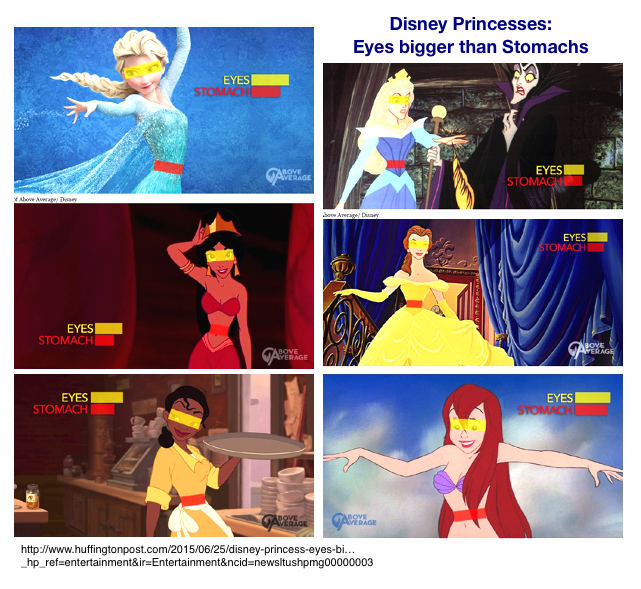 The
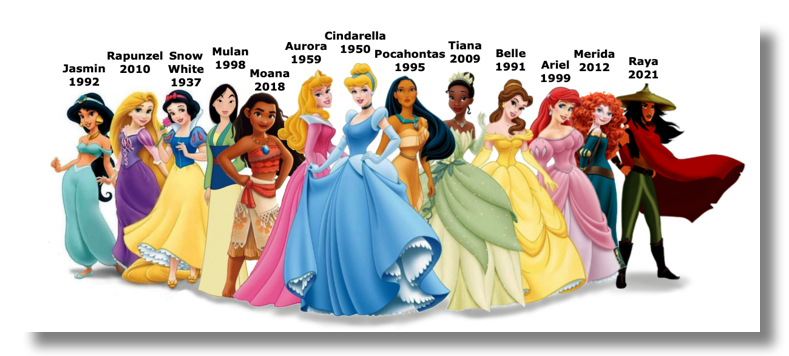
"Princess" role (England et al., 2011)
The
"Princess" role (England et al., 2011)
- The actual selling of "Princess" merchandise by Disney Consumer Products began in 2000
- Originally 9 (now 13 with Raya [Raya and the Last Dragon, 2021]) films, 26,000 products
- Forbes business magazine reported that, in 2012, Disney-licensed Princess products generated $1.6 billion in the US and $3 billion globally. Note, too, that other Disney-licensed products also included Star Wars ($1.5 billion), Pooh ($1.09 billion), Cars ($1.05 billion), Mickey & Friends ($750 million), and Toy Story ($685 million), that is, over $8 billion in retail sales.
- Rules for Disney Princesses
- Must be the featured role in a Disney or PIxar film
- Must be royal by birth, or marriage, or do a heroic deed (e.g., Mulan)
- Must be human or human-looking (e.g., Ariel in Little Mermaid)
- Must be recognizable and appealing to audience
- Must be "beautiful" outside and inside
- Usually have an animal sidekick and are innately skilled at communicating with animals
- Usually are gifted singers
- Film must not be a flop or a major hit
- Note, BTW, whenever the Disney Princesses are shown in a group, none of them look at each other or acknowledge each others' presence. Each is staring at something in the distance, but none are looking at the same thing. This is deliberate. It is meant to preserve the "individual mythology" of each princess.
Male stereotypical characteristics: Curious about princess, exploring, physically strong, assertive, unemotional, independent, athletic, engaged in intellectual activity, inspires fear, brave, physically attractive, gives advice, leader, rescuing
Feminine stereotypical characteristics: Pays attention to physical appearance, physically weak, submissive, shows emotion, affectionate, nurturing, sensitive, tentative, helpful, troublesome, fearful, ashamed, collapses crying, physically attractive, asks for advice, victim
Disney princes
- High in showing emotions, affectionate, physically strong, assertive, athletic
- Low in paying attention to appearance, being ashamed, crying
Disney princesses
- High in affectionate, fearful, troublesome, athletic, assertive (esp. toward animals)
- Low in being unemotional, leadership, inspiring fear, performing a rescue
Physical attractiveness
The Beauty = Goodness Stereotype (Bazzini et al. 2010) [Some of this was touched upon by the Group 4 presentation, too]
Heroes
Villains
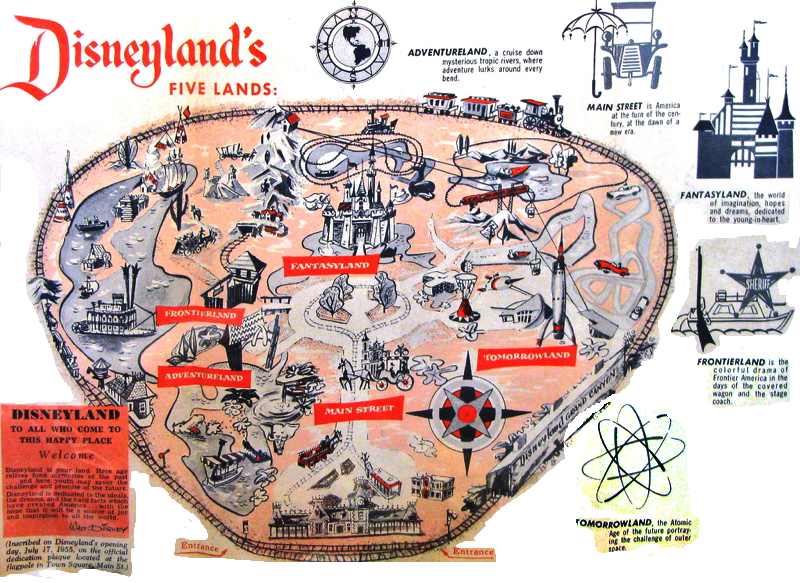
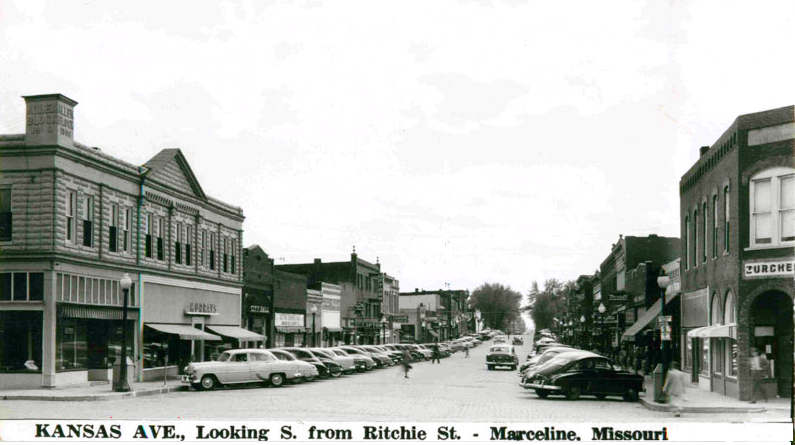
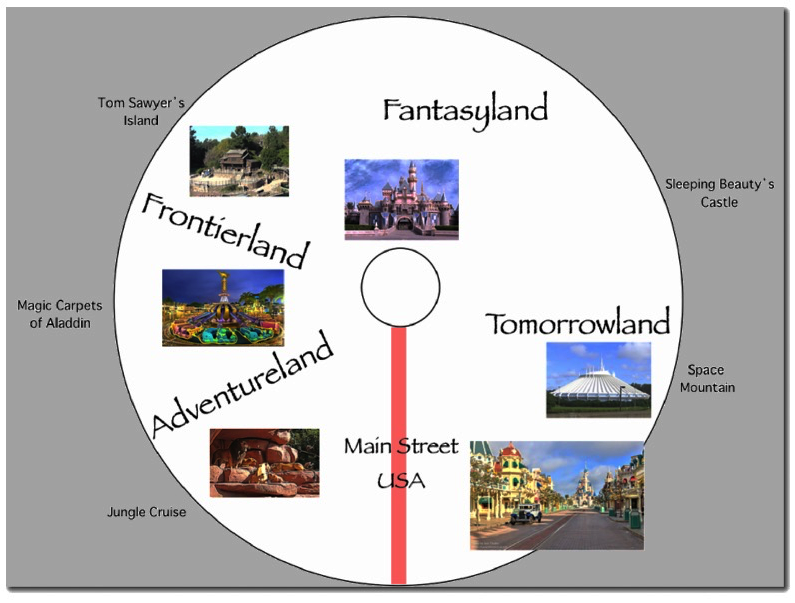
Five Worlds of the Imagination
References
Bazzini, D., Curtin, L., Joslin, S., Regan, S., & Martz, D. (2010). Do animated Disney characters portray and promote the beauty-goodness stereotype? Journal of Applied Social Psychology, 40(10), 2687-2809.
England, D. E., Descartes, L., & Collier-Meek, M. A. (2011). Gender role portrayal and the Disney princess. Sex Roles, 64, 555-567.
Stark, S. D. (1997). Glued to the set. New York: Delta Books.