![[Home]](../psy101graphics/homep.gif)
![[Psychology Images]](../psy101graphics/intro_25.jpg) Class
23 Motivation II: Sexuality
Class
23 Motivation II: Sexuality
|
PSY
101
Class
23 Motivation II: Sexuality |
|
Sexual Motivation & Behavior Note that there is an upper division course, PSY 360 Human Sexuality, that covers this material in far greater depth.
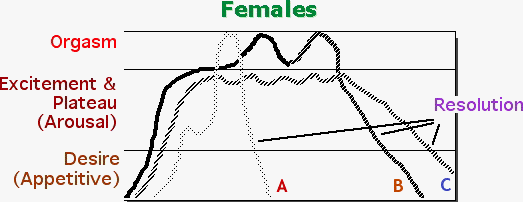
A. The Human Sexual Response Cycle
"Masters and Johnson"
William Masters
Virginia E. Johnson
![[Masters & Johnson]](../psy101graphics/masters_johnson.jpg)

(1966)
Physical: (1) Excitement
(2) Plateau
(3) Orgasm
(4) Resolution
B. Evolutionary Analyses of Human Sexual Motivation
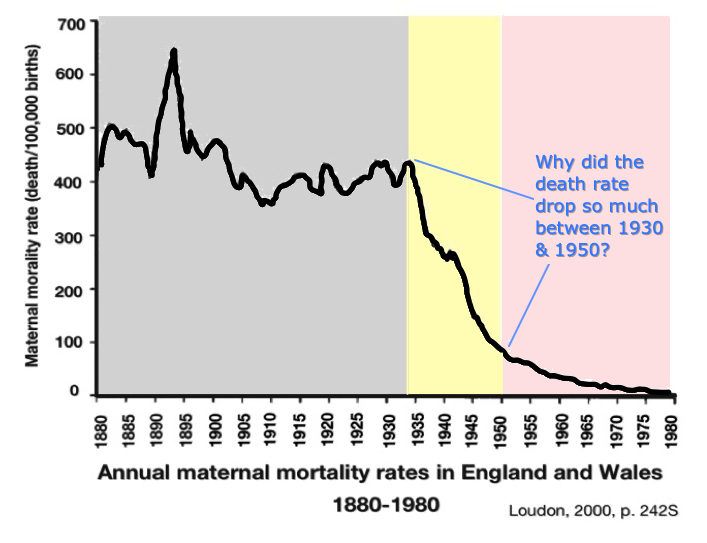
• Consider the danger of pregnancy faced by women historically
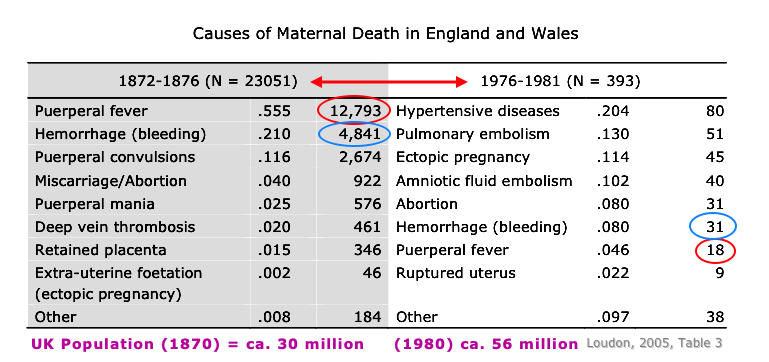
• What are the differences between the causes of maternal death in the 19th & 20th centuries?
Note: ("puerperal" means "around the time of birth")
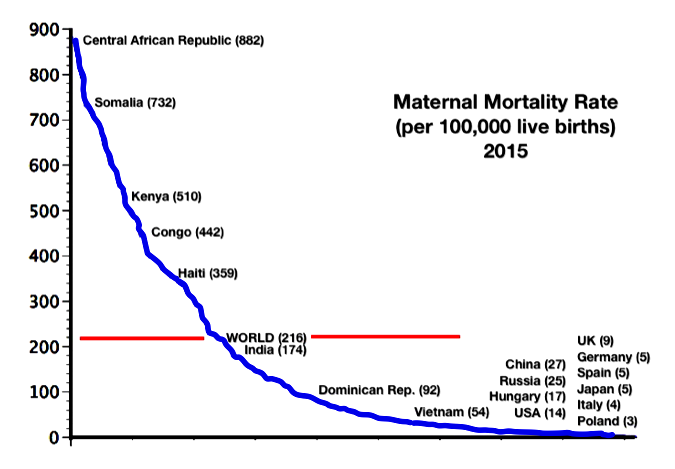
• Consider the danger of pregnancy faced by women in low-income nations today
Robert Trivers' Parental Investment Theory
- Parental Investment = what each sex has to invest (i.e., time, energy, survival risk, and foregoing other opportunities) in order to produce and nurture offspring
Gender Differences: Are there such differences in what people actual do?
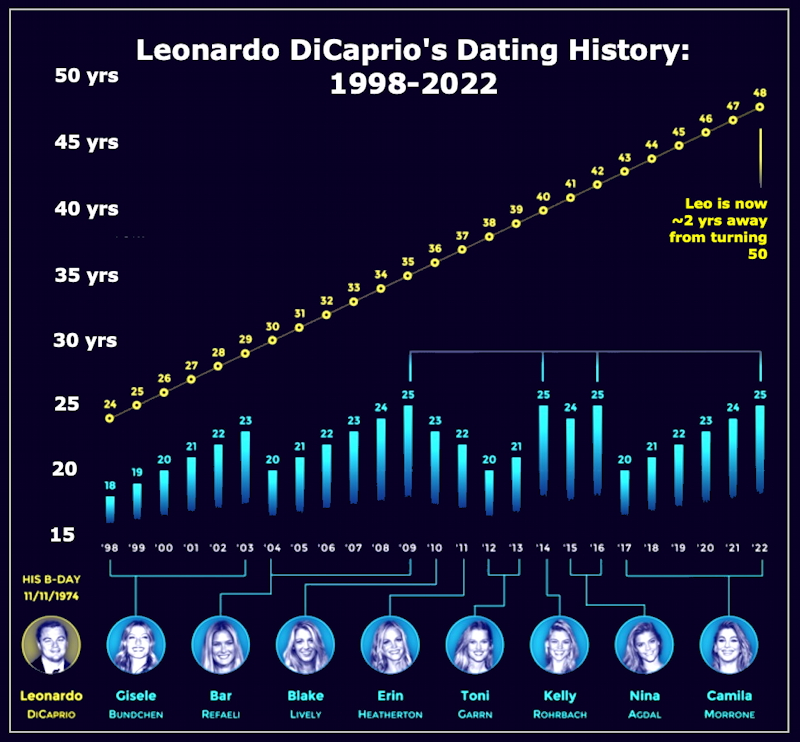
- Sexual Activity
- Mate Preferences (David Buss)
- Relationship Jealousy (David Buss)
Critiques of Evolutionary Theory
- Powerful cultural forces for men and women to learn gender role stereotypical behaviors
- Preference differences for mates may reflect cultural & economic disadvantages for females
- As national populations show greater gender equality, sex differences in partner preferences grows smaller
C. The Mystery of Sexual Orientation
Focus here on sexual orientation, not gender identity

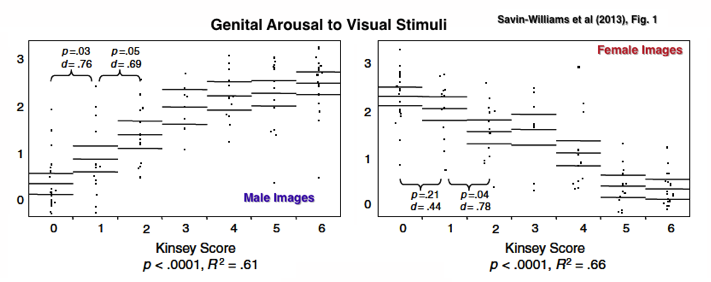
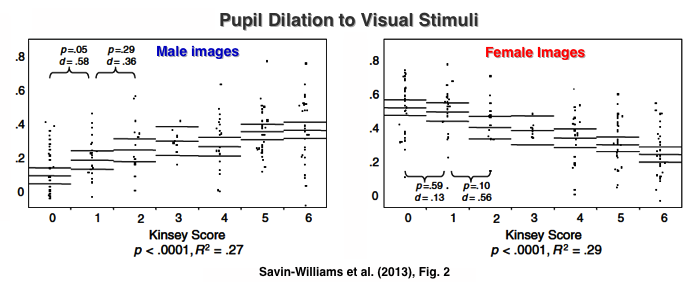
• Alfred Kinsey (see photo above on right ) 1948 Sexual Behavior in the Human Male
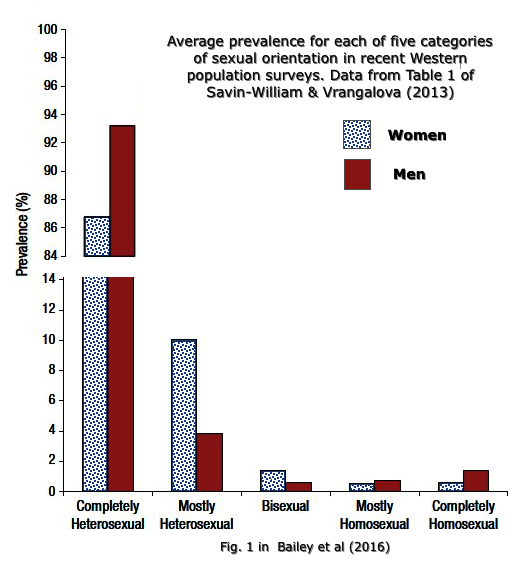
Is sexual orientation a continuum? Or, is there a clear distinction between heterosexual & homosexual?
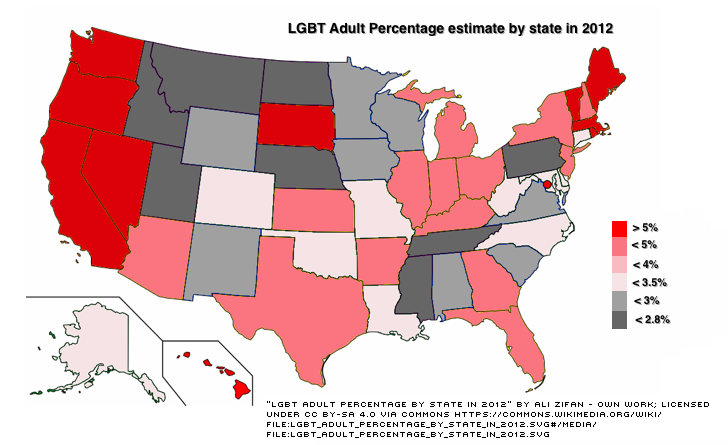
Prevalence of homosexuality
Some Cautions:
- I am not dealing with "intersex" conditions in which the binary biological difference between male vs. female is in doubt in a small percentage of the population (<1%). That is a topic for PSY 340 Brain and Behavior
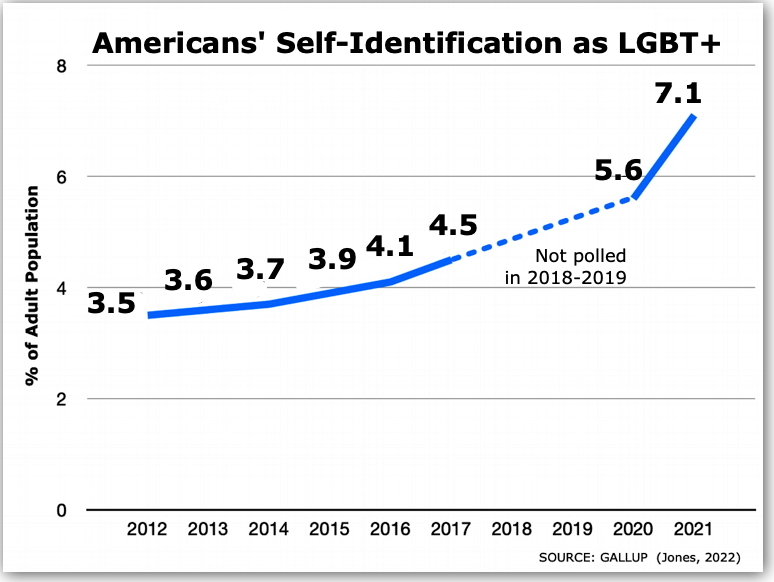
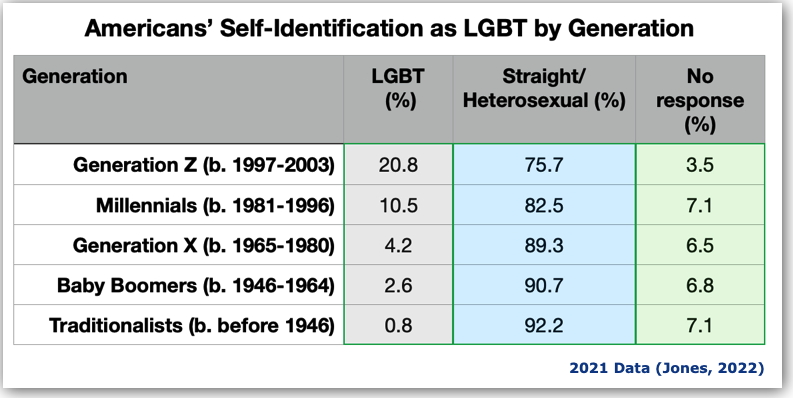
- Changing Gender Self-Identifications as LGBT+ in the United States
- Increasing self-identification as LGBT+ in the US over the past decade
- Americans self-identification as LGBT+ shows distinctive and significant difference by generation of birth.
- The reasons for this are not at all clear or well-understood
1. Environmental Factors do not, of themselves, explain homosexual orientation
- Gender nonconformity in childhood is predictive of adult homosexual orientation for males and females.
- Most male homosexuals, though, are not significantly non-conforming ("feminine") in their behavior
2. Biological Factors associated with homosexual orientation
- Hormonal Difference Theory in Adults: NO evidence
- Genetic Similarity or Relatedness Studies
- Fraternal Birth Order Effect
- Prenatal Hormonal Differences
- Anatomical Difference Studies
Bottom Line
The most recent comprehensive review of non-heterosexuality is Bailey et al. (2016, 57 pages) as listed in the References in the full Notes. Additionally, the current entry in Wikipedia on Biology and Sexual Orientation is very long, detailed, and shows the complexity of this topic.
This page was originally posted on 10/16/03 and last updated on October 18, 2025
![[Male Sexual Response
Cycle]](../psy101graphics/hsrc_male.jpg)